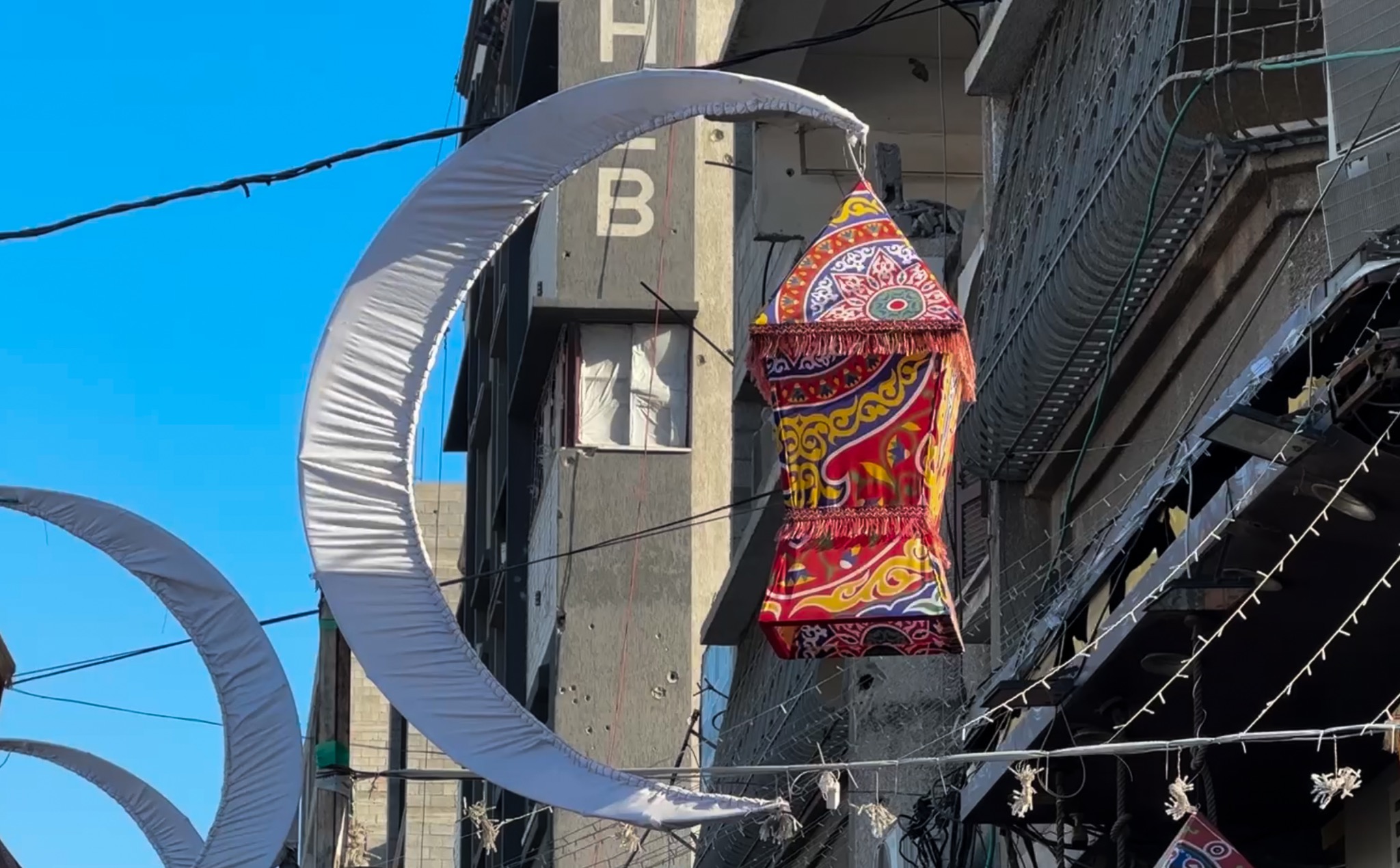
‘They Tried to Take Our Joy’: A Father in Gaza’s Lanterns Keep Ramadan Traditions Alight
Recent conflict across the Middle East has severely disrupted the flow of aid, goods and food into Gaza. Over 1.1 million people face a catastrophic level of hunger, reported in the UN’s March 2026 assessment, making fasting during Ramadan particularly difficult. In a small woodworking shop in North Gaza, Mohammed Khalil has been creating Ramadan lanterns from recycled wood crates, determined to restore a sense of joy for his son after two years of war. Khalil reflected on how Ramadan felt different this year, the first since Israel and Hamas signed the 20-point peace plan last October.
The UN reported the humanitarian crisis remains fragile despite the recent reopening of Kerem Shalom – Gaza’s only functioning cargo crossing – on 3 March after a brief closure during Israeli and U.S strikes on Iran.
The World Food Programme’s Director in Palestine, Shaun Hughes, described the re-opening of the crossing as a ‘lifeline’, allowing food and non-food supplies for up to 1.5 million people. Mr. Hughes warned that deliveries are still ‘hand-to-mouth’ level, with aid entering at levels barely sufficient for basic survival.
The Israeli military described the closures as necessary ‘security adjustments’ on their social media and claimed they would have ‘no impact on the humanitarian situation in the Gaza Strip.’
“Happiness to children”
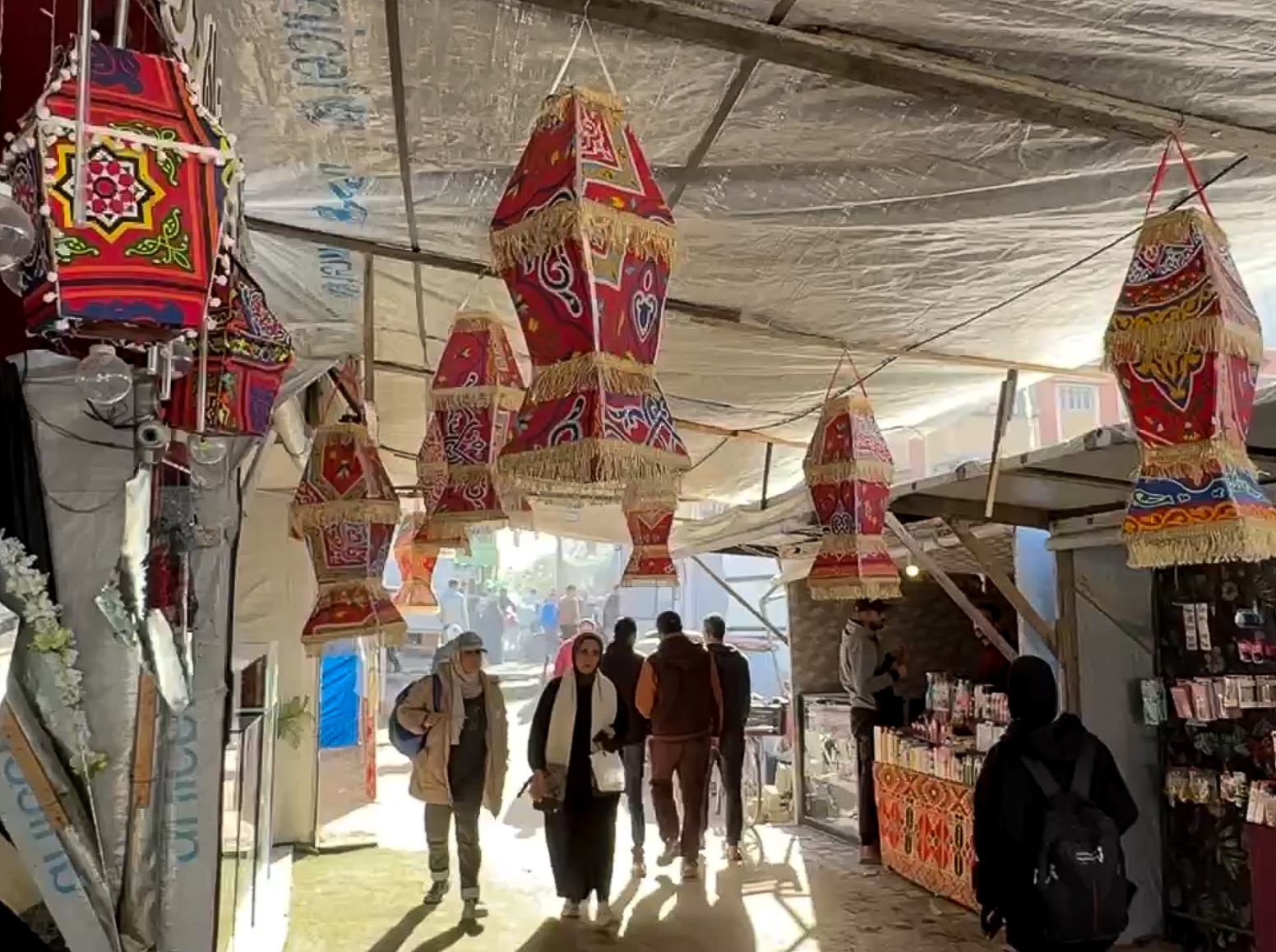
Before the war, Ramadan brought Gaza’s streets to life with lanterns hung from balconies, children playing in the streets and markets full of spices and trays of qatayef – a Palestinian sweet pancake-style treat.
For the past two years, those scenes were replaced by rubble, displaced people, and empty market stalls. This year, however, Palestinians have reported small traditions have returned, bringing a sense of normality to the region.
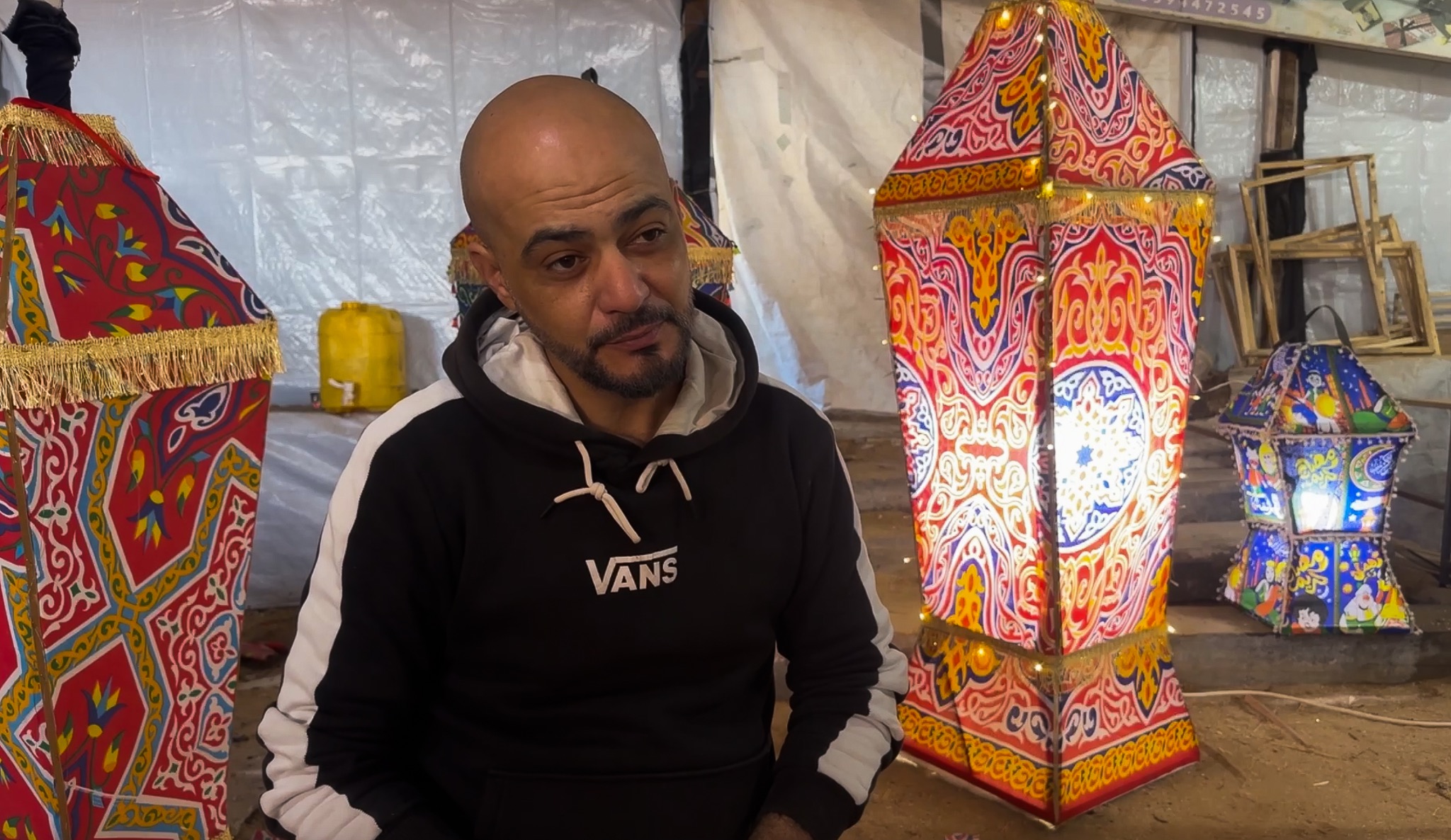
For Mohammed Khalil, that shift began with a simple request from his youngest son, who spotted a Ramadan lantern after the war and asked if he could have one too. Khalil, a trained computer engineer, went to the market only to find prices far beyond reach - most lanterns imported from China, with costs inflated by long‑standing restrictions on goods entering Gaza.
With Ramadan approaching, Khalil decided to make more affordable lanterns so children could celebrate again on the streets.
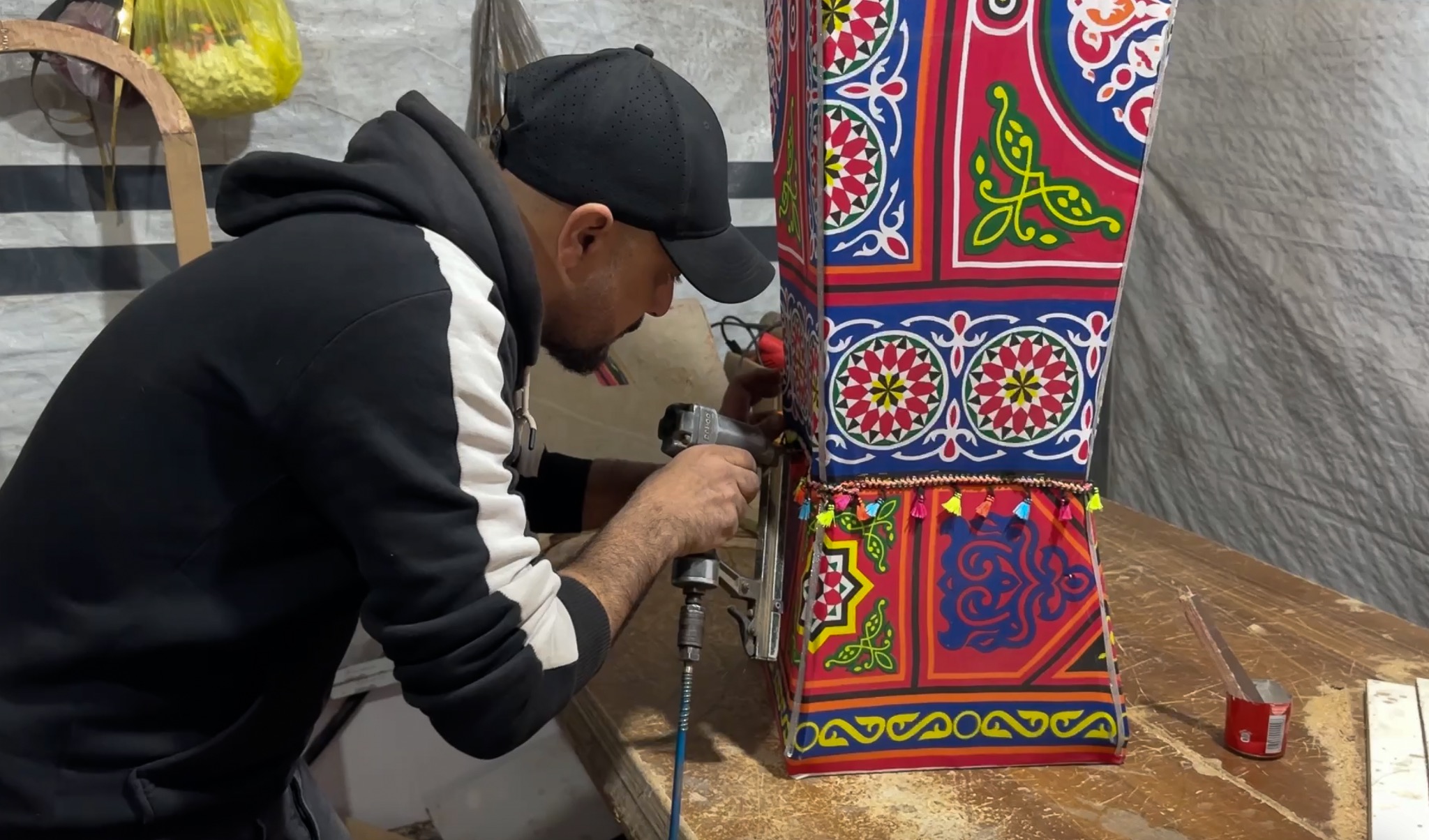
Partnering with a carpenter friend, he opened a small workshop producing tables and chairs. They started making small lanterns and, as the demand grew, they expanded to larger ones for tents, homes and streets.
“They tried to take away our joy. They tried to block everything — even water and air. This lantern brings happiness to children.”
Over a million children require mental health and psychosocial support services, according to a new report by the UN Population Fund (UNPFA). Sima Alami, UNFPA’s adolescent and youth programme officer, called it a ‘mental health emergency’. The assessment found that 96% of children in Gaza fear imminent death, a level of fear that psychologists say is unprecedented in modern conflict zones. Khalil was desperate to try and restore a sense of hope in the community.
Ramadan lanterns, or fanous, are widely recognised across the Arab world as a symbol of the holy month. They are believed to have originated in Egypt during the Fatimid Caliphate as functional, festive street lighting, used to illuminate the paths at night and mark the caliph’s arrival. Today, the lanterns symbolise joy, unity, and hope.
“Thank God, there was strong demand. People really loved them,” said Khalil.
“We did the impossible”
Khalil was able to obtain wood crates from aid shipments and recycle it into lantern frames.
In the second week of March, more than 19,700 wood pallets of aid were offloaded at Kerem Shalom cargo crossing - according to the UN Office for the Coordination of Humanitarian Affairs (OCHA). Khalil ran out of materials when the crossing closed again.
Fabric was particularly difficult to find because no new fabric entered Gaza before Ramadan, so he used limited leftover stock from some traders. Khalil painted colourful designs onto the lanterns, using rich reds, cobalt blues and canary yellow.
Cash was scarce and banknotes worn out, yet traders still demanded cash payment over digital payments. Khalil often had shekel notes ranging from 20 (around £5) to 100 (around £20) turned down because they were torn.
Lighting the lanterns was another major challenge. The power supply was unreliable across Gaza, and random power cuts in the middle of the day disrupted production causing delays. Fuel prices rose ten-fold, and government data for March suggests only 1,190 fuel trucks have been allowed into Gaza out of the 8,050 that had been expected since the ceasefire.
Despite all this, Khalil kept working.
The smallest lanterns took him about half an hour to make, and the larger ones closer to an hour depending on the decoration.
Khalil’s challenges were unfolding against a wider economic shock across the region. The first week of March began with panic buying and sharp increases in food prices. Prices stabilised slightly once the crossings reopened.
Vegetables had the steepest increases, followed by wheat flour and eggs which disappeared from the markets for several days, as reported by the World Food Programme (WFP). A 25-kg bag of wheat flour rose from roughly £10 (40 NIS) to £30 (130 NIS).
Cooking gas shortages added to the strain as no gas trucks entered Gaza for ten consecutive days between 26 February and 8 March. With limited supplies, 48% of households reported relying on waste burning as an alternative, the WFP reported. This practise carries serious health risks.
“Fasting by force”
UN assessments from March showed that over a third of households reported worse access to food than the month before.
Despite this, Khalil said Ramadan still felt very different this year to the previous two, which were marked by deprivation.
“We didn’t experience Ramadan — no atmosphere, no Taraweeh prayers, not even proper food. We were fasting by force because food and clean water were scarce.”
This year, he said, something shifted. Even the small signs of celebration felt significant.
"We can feel Ramadan’s presence again. You see joy in the streets, decorations everywhere, lanterns hanging across Gaza. It’s completely different from the past two years. People want to be happy. They’ve been deprived of joy, and you can see that in their eyes.”
Khalil shared a message for Palestinians and the wider Arab and Muslim diaspora living abroad.
“Ramadan Kareem. We hope next year we will celebrate together in a rebuilt, beautiful Gaza.”
Post a comment